

 Image 1 of 1
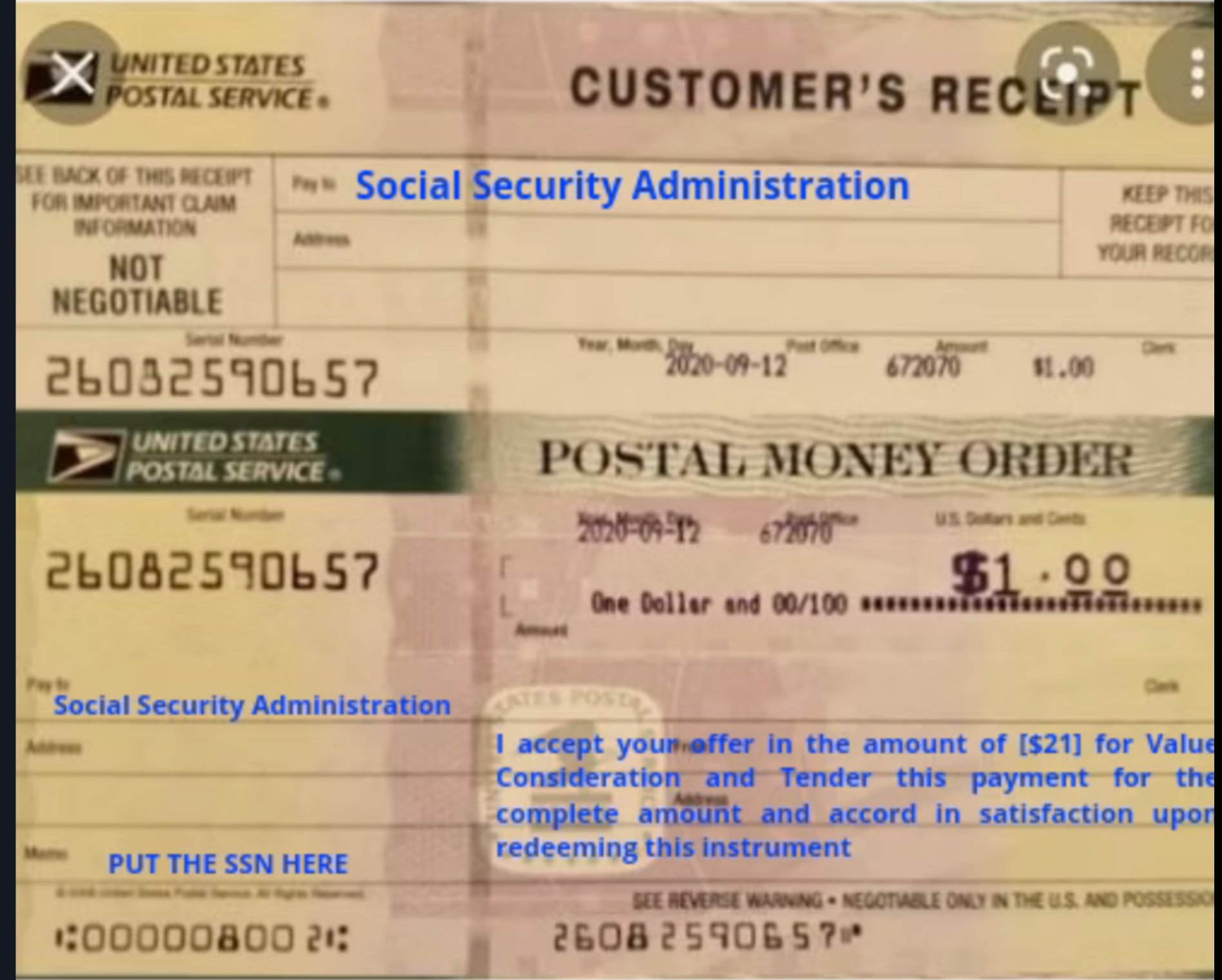
This PDF is an Educational Guide explaining how a Postal Money Order may be used in a private accord and satisfaction scenario under commercial law principles.
It is used to:
Explain what “accord and satisfaction” means
Show how negotiable instruments can be used in settlement attempts
Teach how to endorse a payment with conditional language
Outline when this method may apply in private disputes
Provide awareness of risks and limitations
Key concept: Accord and satisfaction is a legal doctrine where a disputed debt may be settled by acceptance of a conditional payment.
READ BEFORE USE
Download the PDF
Read the entire document — do not skim
Understand what a “disputed debt” is
Confirm the obligation is not fixed by law
Prepare written conditional language clearly
Use proper mailing and keep proof (certified/registered)
Track response from the recipient
Keep all records for documentation
WHAT THIS DOCUMENT DOES
This document:
Explains how negotiable instruments (like money orders) work
Shows how conditional language is added to a payment
Describes the concept of tendering payment in full satisfaction
Educates on timelines and response handling
Clarifies where this method may or may not apply
Under UCC § 3-311, accord and satisfaction requires:
A bona fide dispute
A clear conditional payment
Acceptance of the payment by the creditor
IMPORTANT
This method does not apply to most government debts or obligations
Agencies are not required to accept conditional payments
A $1 payment does not legally settle a larger undisputed debt by itself
Misuse can result in rejection or further action
Always verify your situation before attempting
FINAL NOTICE
For educational and religious purposes only
Not legal advice
Use at your own responsibility under your state laws